
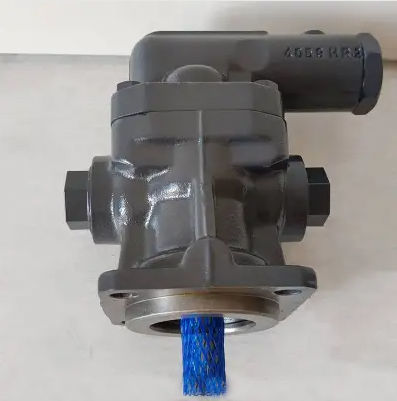
Introduction:The main feature of the gear pump KF is the variety of models, which can be combined in any combination according to the modular design principle and can also be expanded in the future.
Gear pumps of the KF series are used to transport all types of liquids. The main feature of the gear pump KF is the wide range of models, which can be combined in any combination according to the modular design principle and can also be extended in the future. The pumps are also suitable for less lubricating media. The casing components of the standard sizes are made of grey cast iron. The gearbox is made of high-strength carburised steel, hardened and fixed to a shaft tile made of various materials. The drive shafts in standard sizes are sealed with radial shaft seals. All structural dimensions are in helical gear specification.


1、Shell material:EN-GJL-250(GGG 25)
2、Cover material:EN-GJS-400-15(GGG 40)
3、Gearbox:Steel 1.7139EN
4、Shaft tile material: DU (Multi-layer plain bearing P10, DP 4)
5、Radial shaft seal: NBR,FKM,PTFE,EPDM
6、Mounting position: Any
7、Direction of rotation: left or right, right and left.
8、Fixing method: flange fixing
9、Pipe connection: pipe thread, SAE flange
10、Drive shaft end: ISO R775 short column
11、Operating pressure on the pressure side: 25 bar max.
12、Rotation speed: 200 .... . 3 600 L/min
13、Viscosity: 1,4..... .12 mm2/s
14、Seal material: NBR/FKM
1、Driving shaft sealing parts
2、Radial shaft sealing ring
3、Double radial shaft sealing ring (hardened)
4、Slip ring seal
5、Pressure valves for front bearing pumps and systems used to absorb radial forces on the drive side
6、Using the combination of valves in the available flange connection (universal valve), the conveying flow direction remains unchanged
when switching the direction of rotation.
7、For the direction of rotation, the following provisions apply: when observing the shaft end of the pump, when the shaft is facing the right
when observing the shaft end, when the shaft is rotating towards the left when the conveying direction is from the left to when the conveying
direction is from the right to the left.
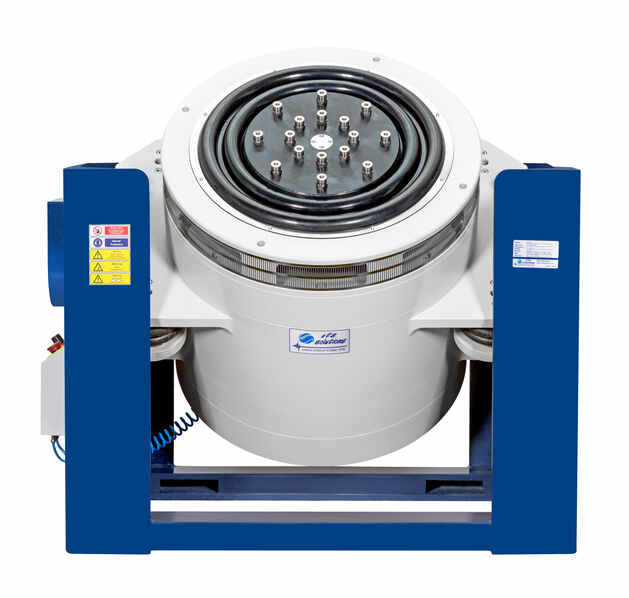 High frequency vibration test bench
 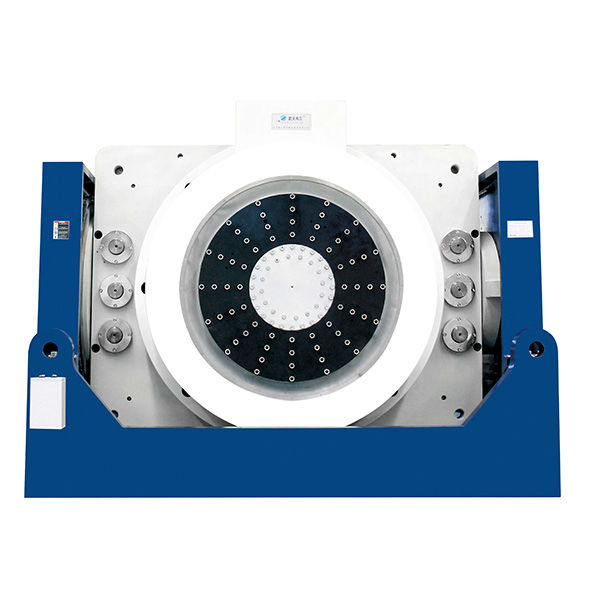 Direct coupled electric vibration table (water cooled)
 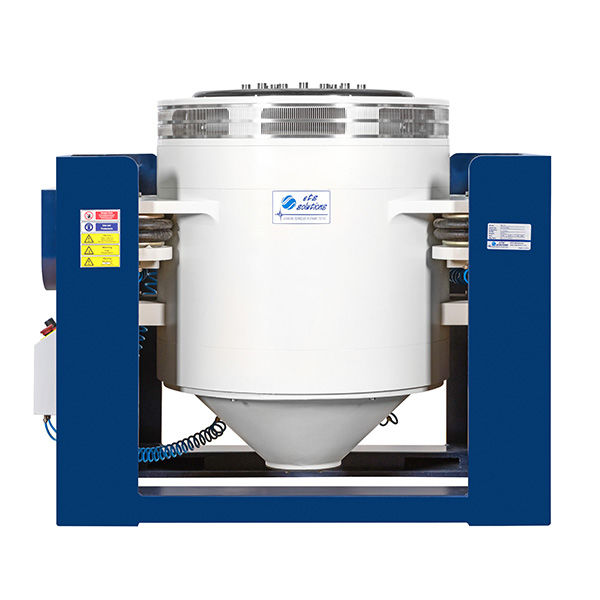 Direct coupled electric vibration table (air-cooled)
 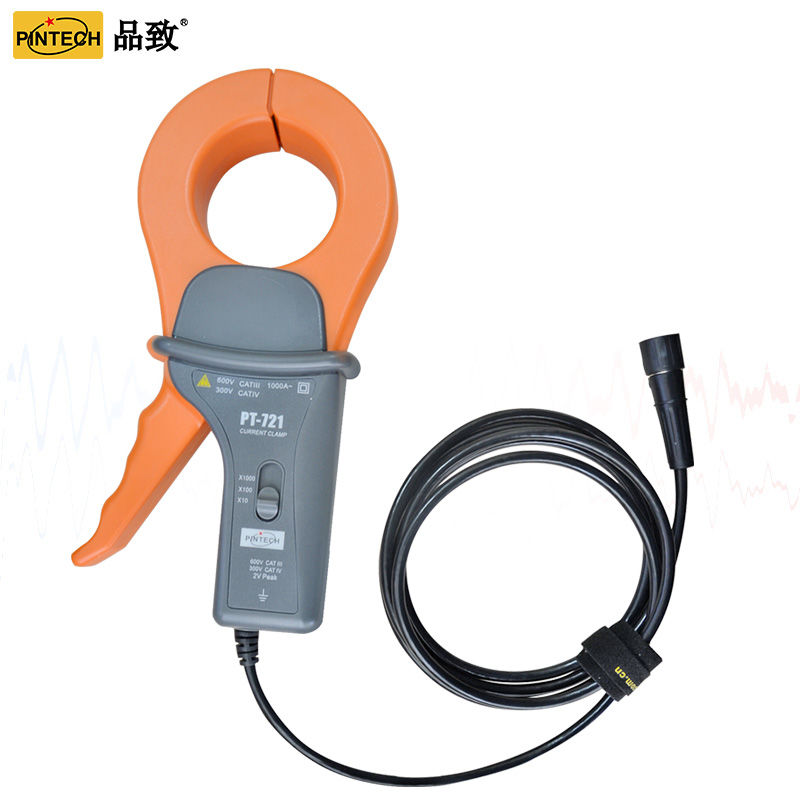 PT721 clamp type AC current probe (1200A, 100kHz)
 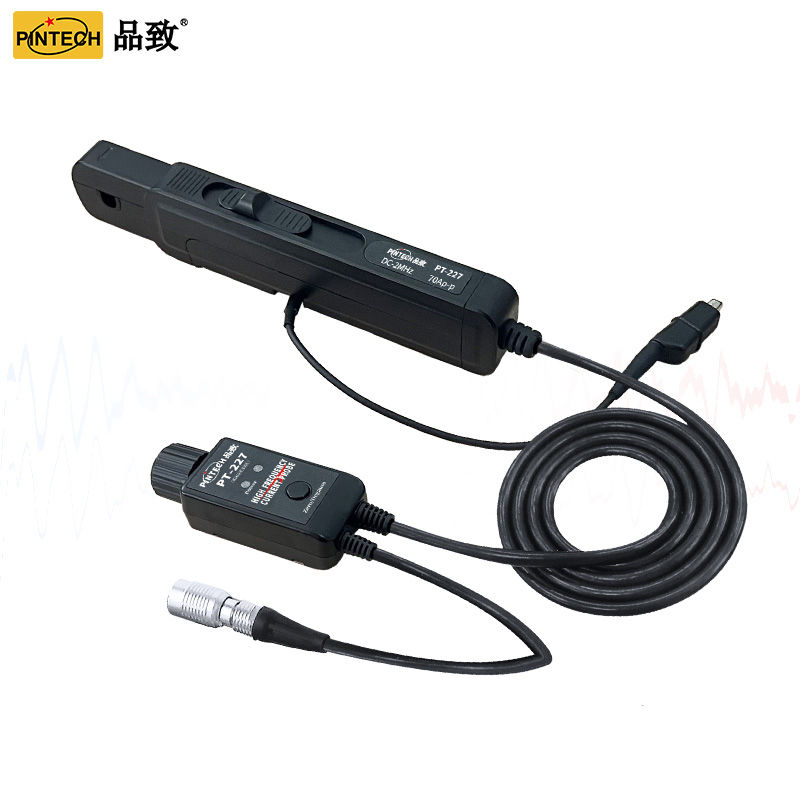 PT320 high-frequency AC/DC current probe (60A, 20MHz)
 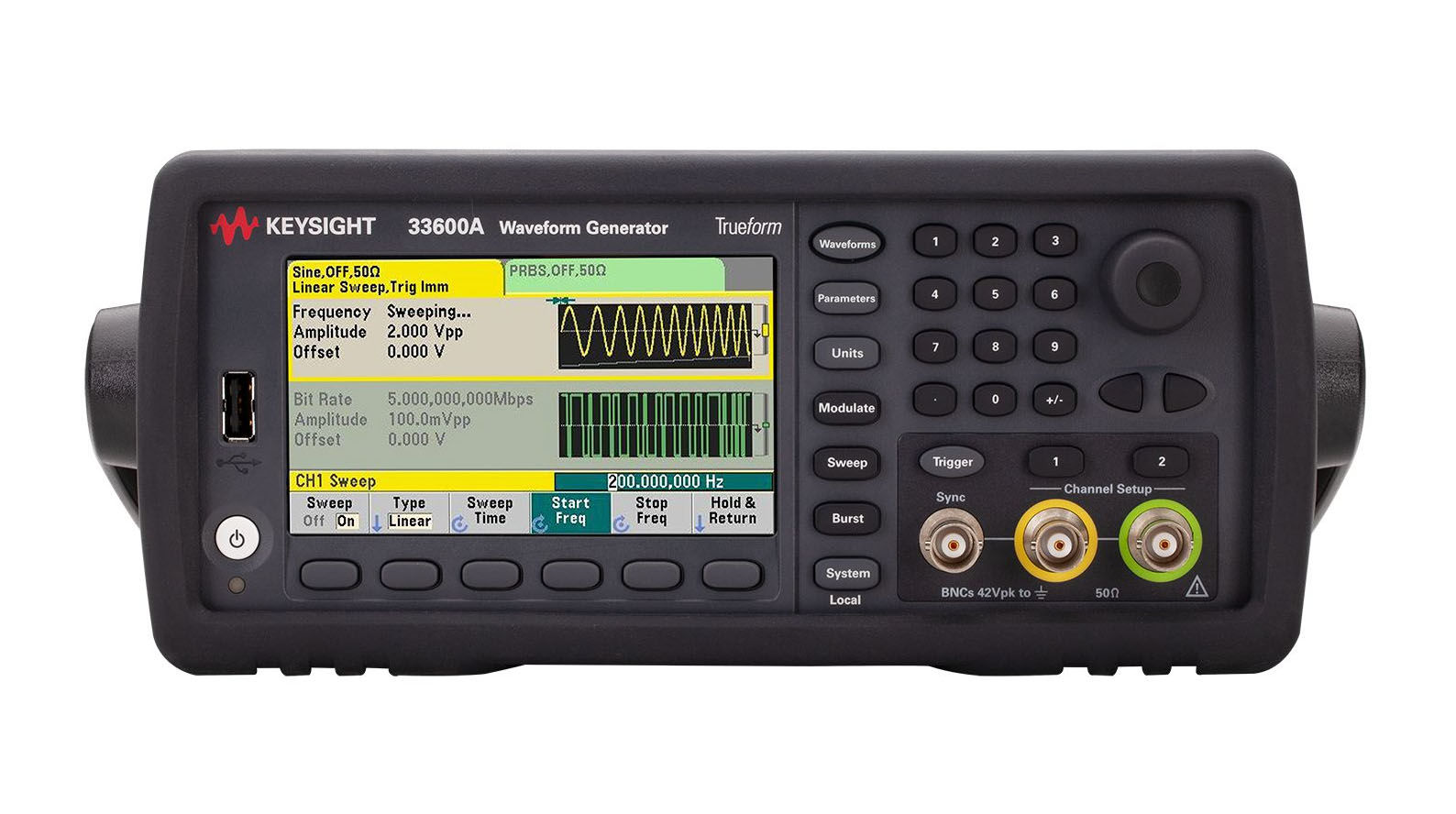 Waveform generator 33622A 120 MHz 2-channel
 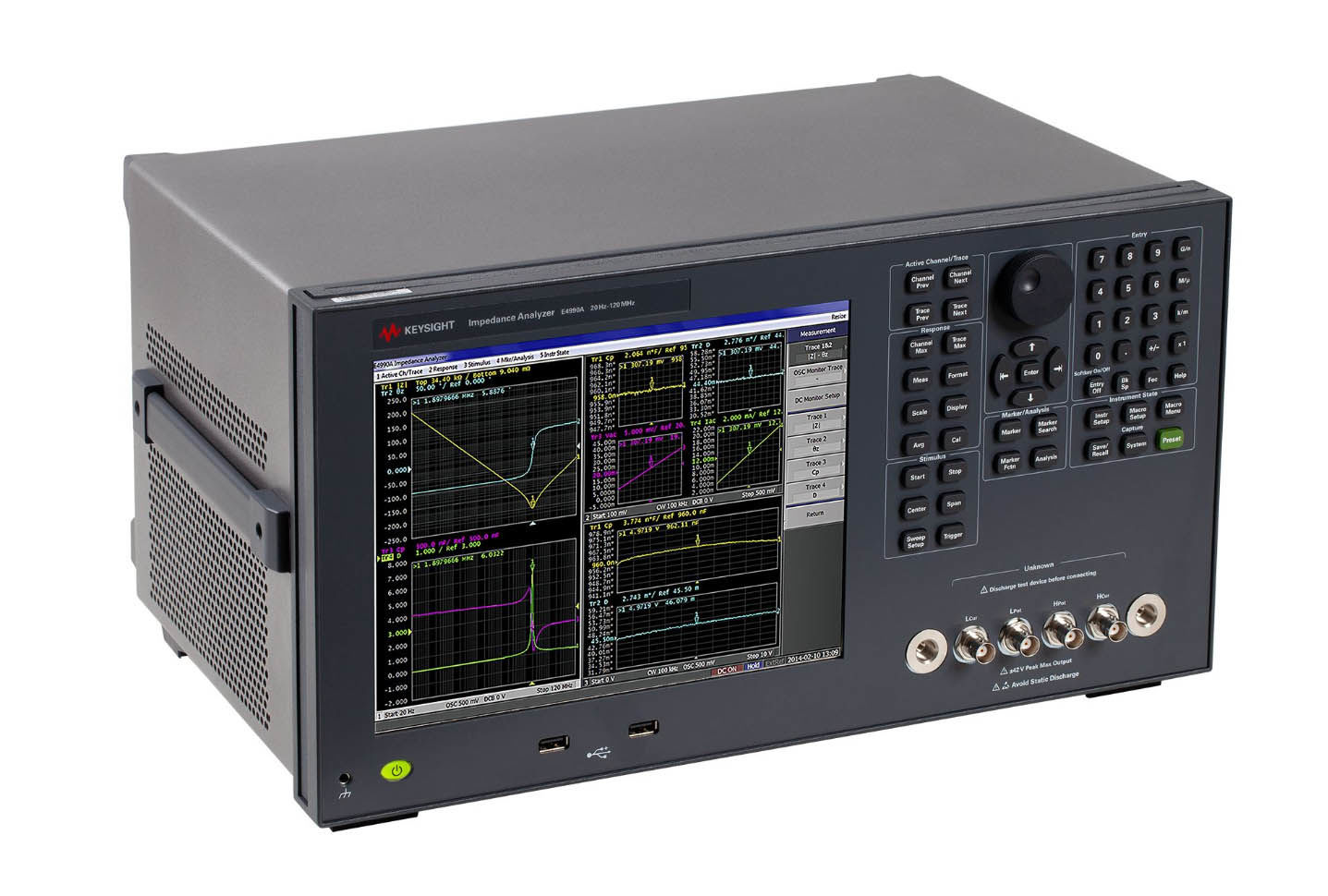 Impedance analyzer E4990A 20 Hz to 10/20/30/50/120 MHz
 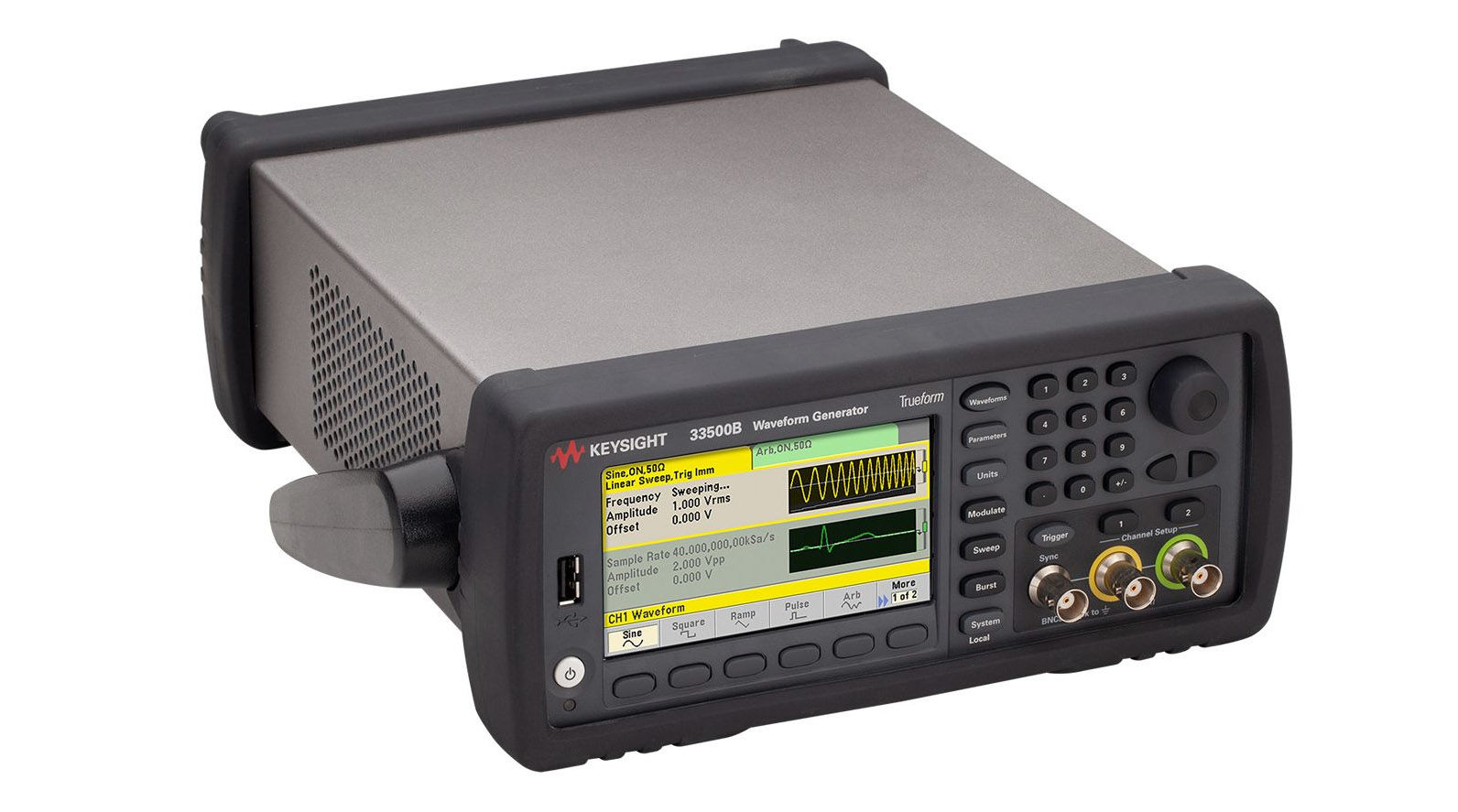 Waveform generator 33511B 20 MHz 1 channel with arbitrary waveform generation capability
 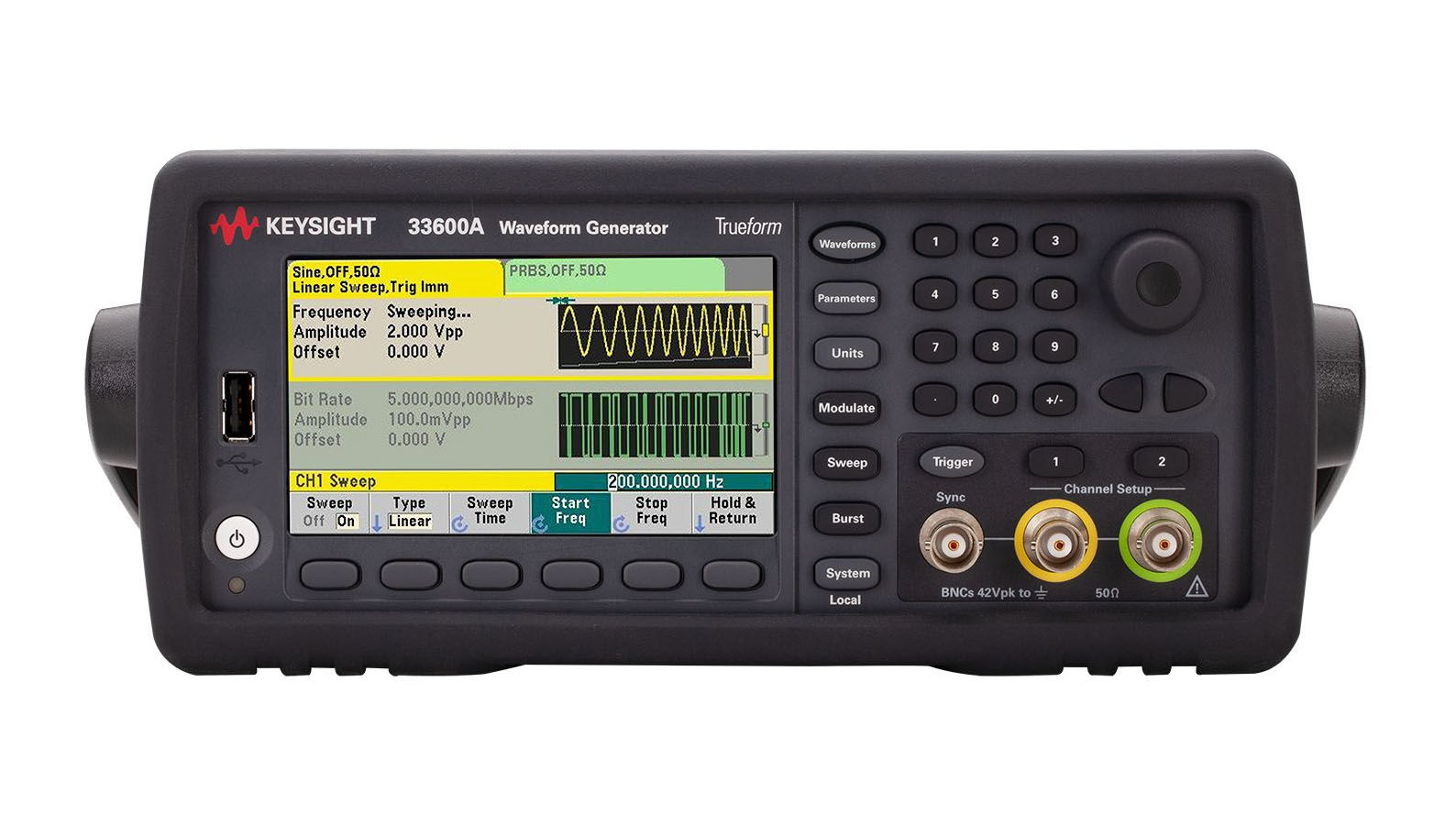 Waveform generator 33612A, 80 MHz, 2-channel
TOP




 中
中 EN
EN Current location:


