

Introduction:In the state analysis, vibration research, and measurement of high-speed rotating machinery and reciprocating motion machinery, various parameters of rotor vibration state can be continuously and accurately collected for non-contact high-pre……
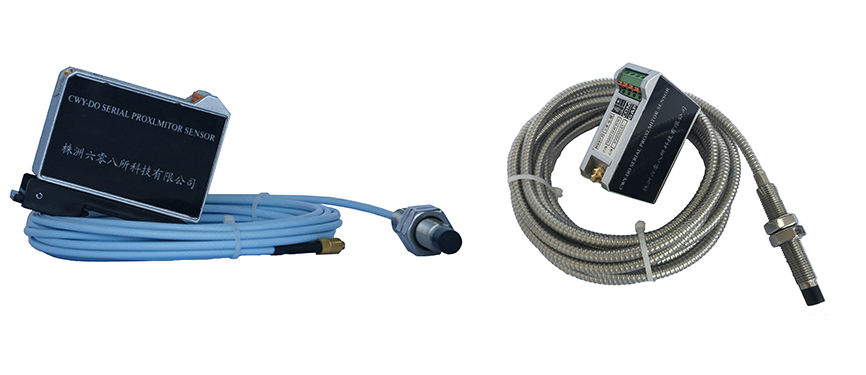
The aviation Tianrui TR eddy current sensor can statically and dynamically non-contact measure the relative displacement change between the surface of the tested metal conductor and the surface of the probe.
It is a non-contact linearized metrology tool. In the state analysis, vibration research, and measurement of high-speed rotating machinery and reciprocating motion machinery, various parameters of rotor vibration state can be continuously and accurately collected for non-contact high-precision vibration and displacement signals.
Eddy current sensors have been widely used in online monitoring and fault diagnosis of large rotating machinery due to their advantages such as good long-term reliability, wide measurement range, high sensitivity, high resolution, fast response speed, strong anti-interference ability, resistance to oil pollution and other media, and simple structure.
Basic Principles
The probe, extension cable, proximitor, and the measured object constitute the basic working system.
The high-frequency oscillation current in the front end of the probe flows into the probe coil through an extension cable, generating an alternating magnetic field in the coil at the head of the probe. If there are no metal materials approaching within the effective range of this alternating magnetic field, all energy of this magnetic field will be lost; When a measured metal body is close to this magnetic field, an induced current will be generated on the metal surface, which is called eddy current in Electromagnetism.
At the same time, the eddy current field also generates an alternating magnetic field with a direction opposite to the direction of the head coil. Due to its reaction, the amplitude and phase of the high-frequency current in the head coil are changed (the effective impedance of the coil), which is related to parameters such as the magnetic permeability and conductivity of the metal body, the geometric shape and size of the coil, the current frequency, and the distance from the head coil to the surface of the metal conductor.
So, through the processing of the electronic circuit of the front-end, the change in coil impedance, i.e. the change in distance between the head body coil and the metal conductor, is converted into a change in voltage or current. The size of the output signal varies with the distance between the probe and the surface of the measured object. Eddy current sensors measure the displacement, vibration, and other parameters of metal objects based on this principle.
Features
1. Complete variety and multiple models; Probe diameter Ф 3~ Ф 60, sensor outputs over ten types.
2. Excellent performance, linear range: 0.5mm~50mm; It can directly replace the 3300 series products of Bentley (BN) in the United States.
3. Products of the same model can be interchanged.
4. Military grade products.
Application field
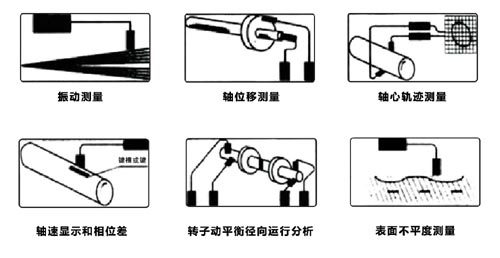
The TR81 series eddy current sensors are widely used in scientific research and production units such as power, petroleum, chemical, metallurgy, etc. Online measurement and protection of radial vibration, axial displacement, keyphase, rotational speed, differential expansion, eccentricity, rotor mechanics research, and part size inspection of large rotating machinery shafts such as steam turbines, water turbines, blowers, air separators, gearboxes, and large cooling pumps.
Typical Applications

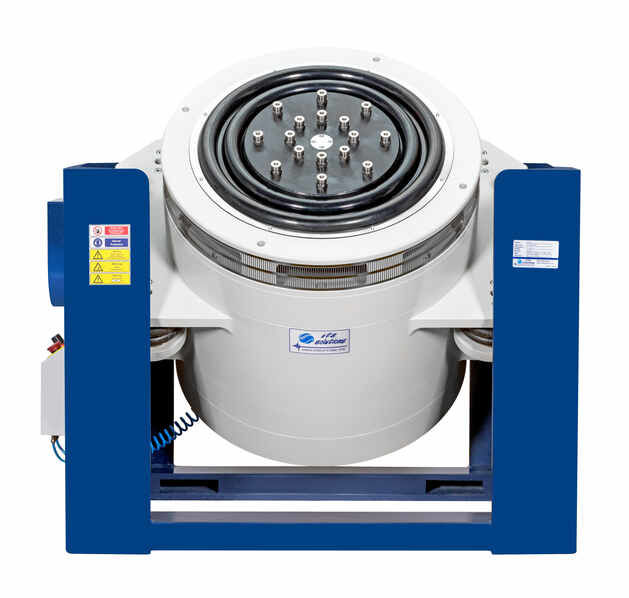 High frequency vibration test bench
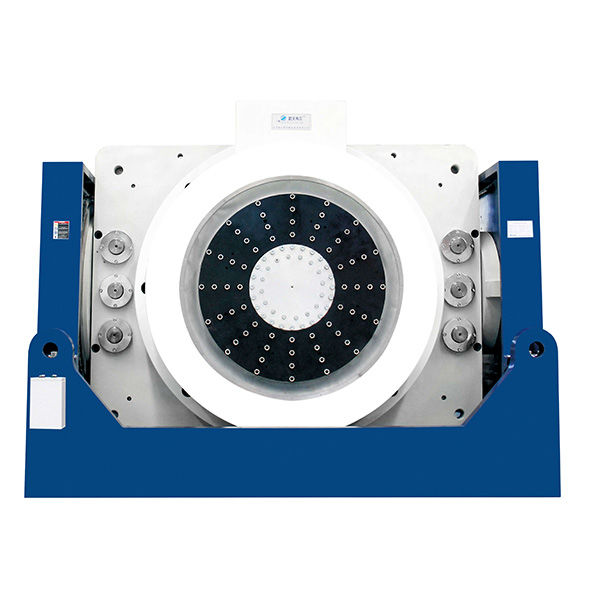 Direct coupled electric vibration table (water cooled)
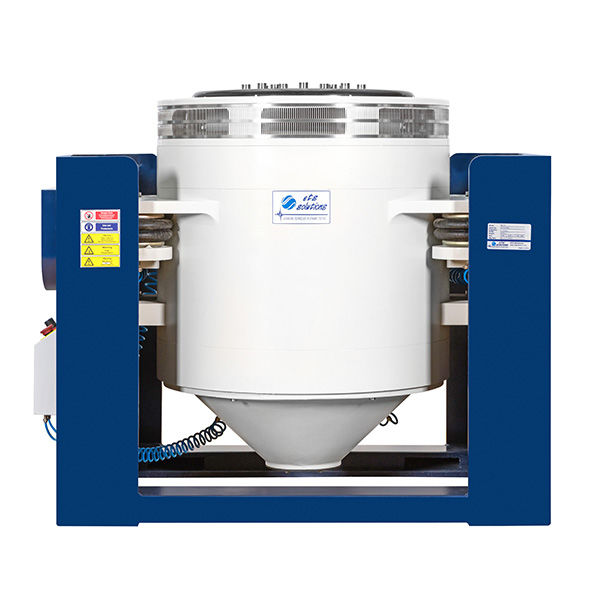 Direct coupled electric vibration table (air-cooled)
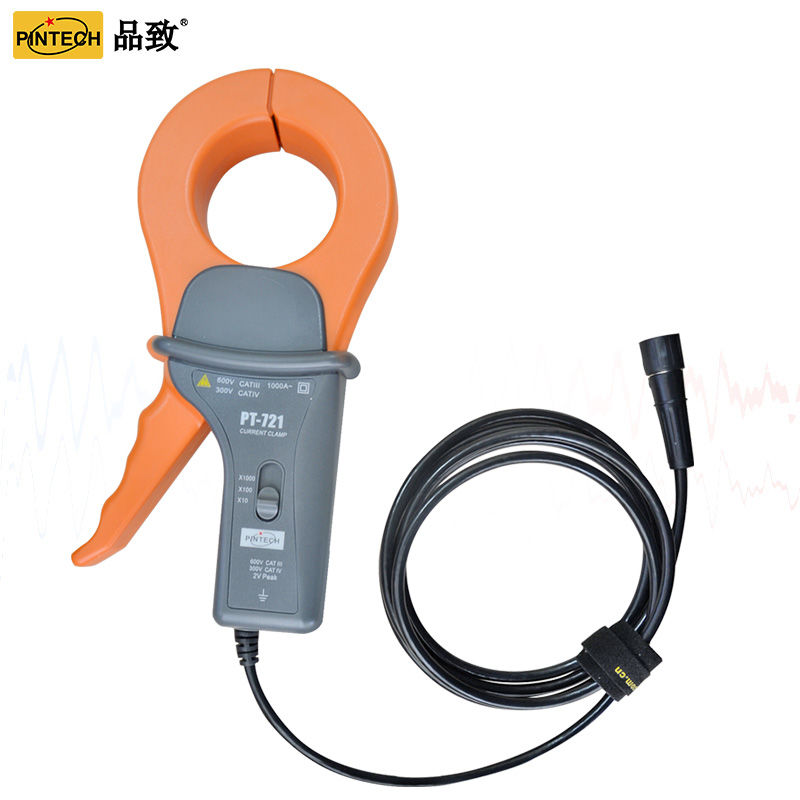 PT721 clamp type AC current probe (1200A, 100kHz)
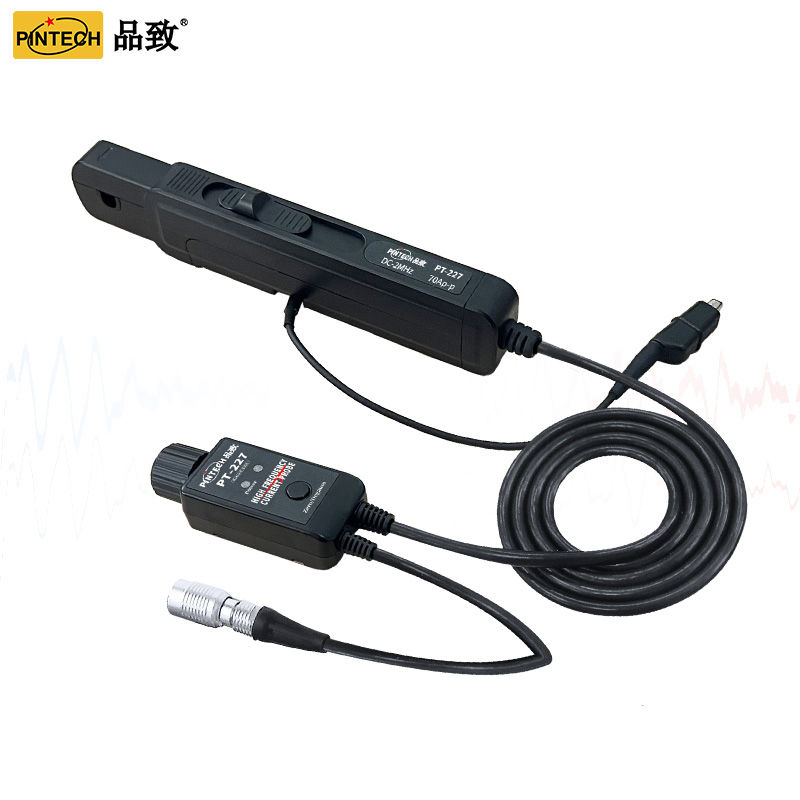 PT320 high-frequency AC/DC current probe (60A, 20MHz)
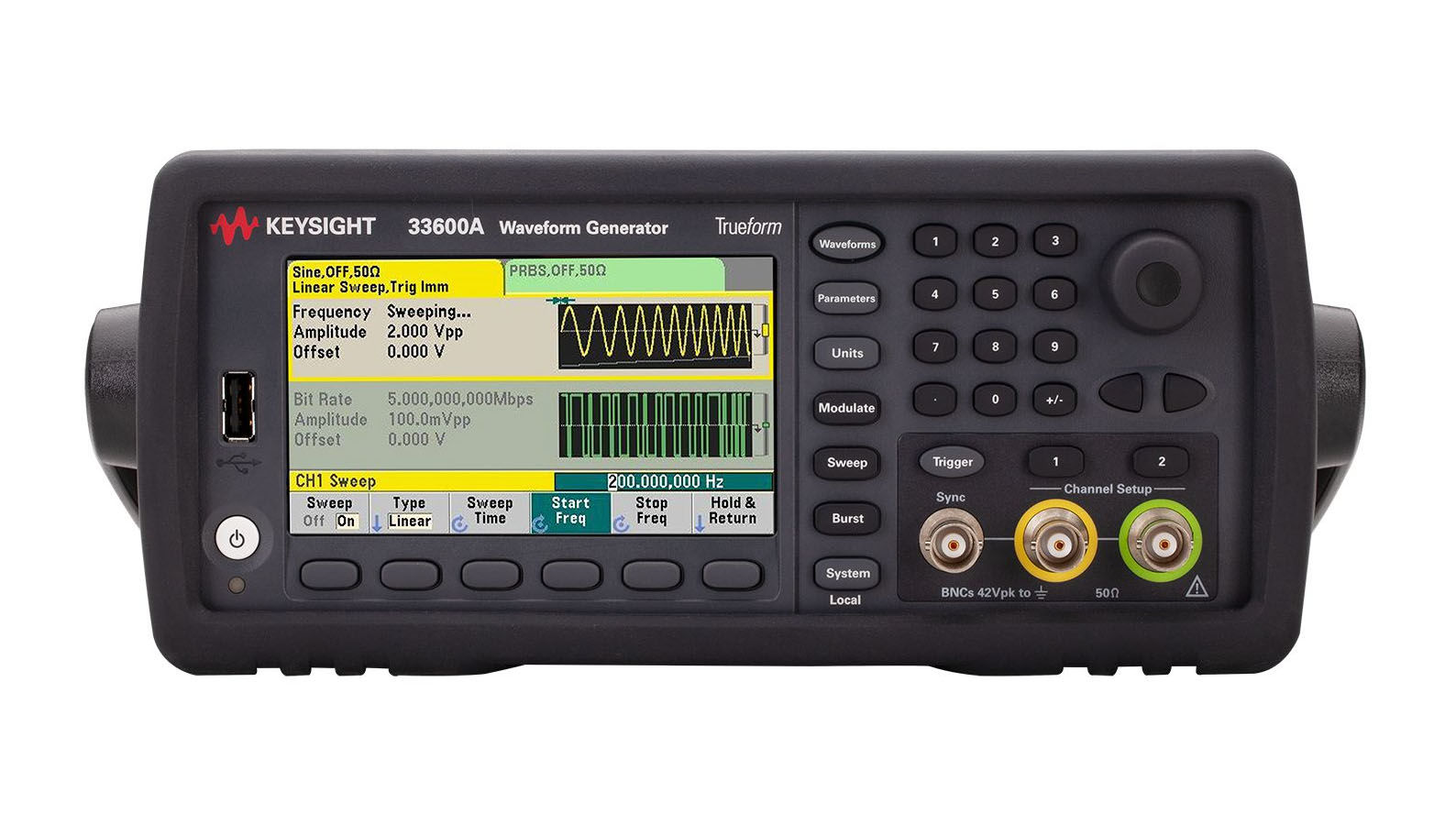 Waveform generator 33622A 120 MHz 2-channel
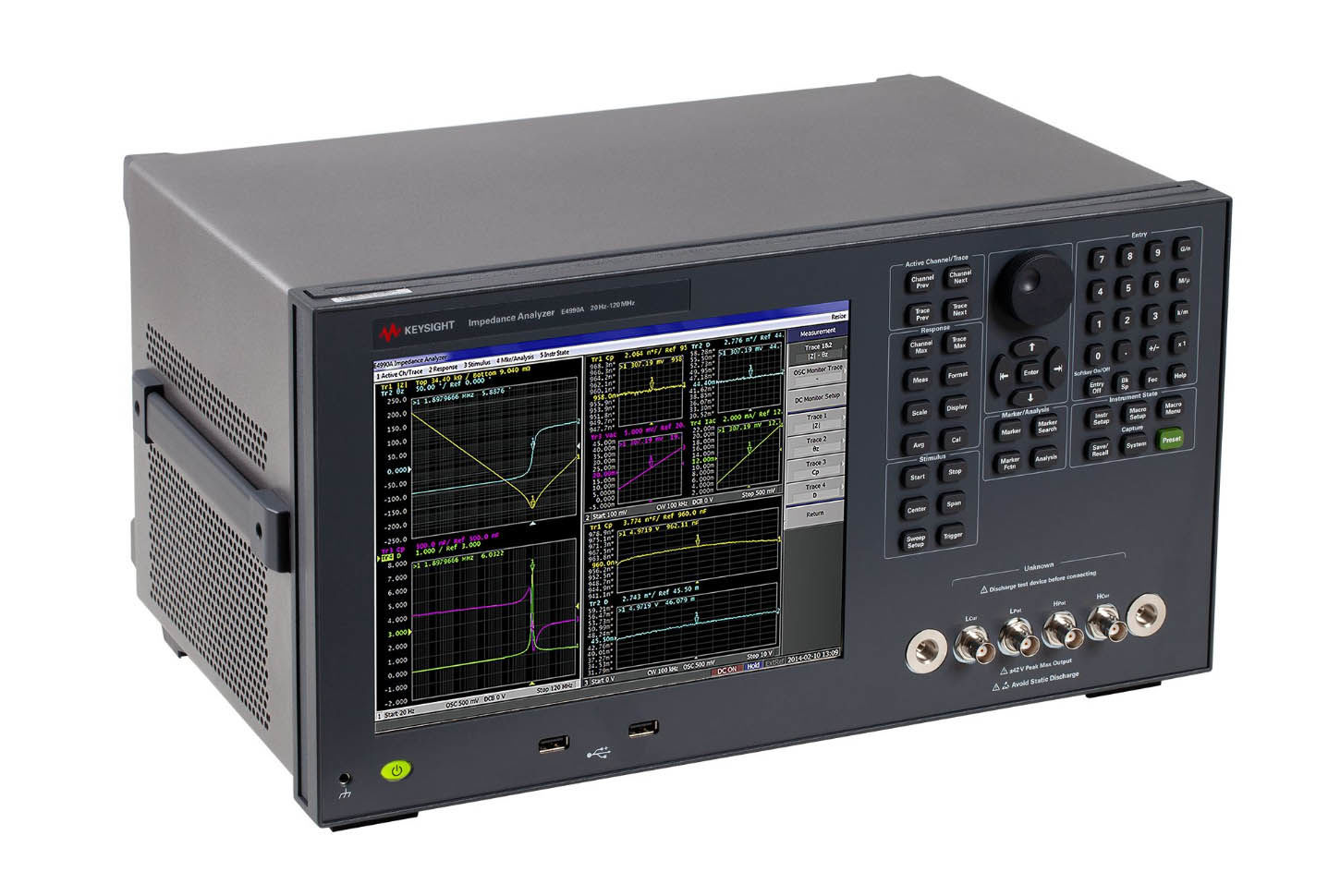 Impedance analyzer E4990A 20 Hz to 10/20/30/50/120 MHz
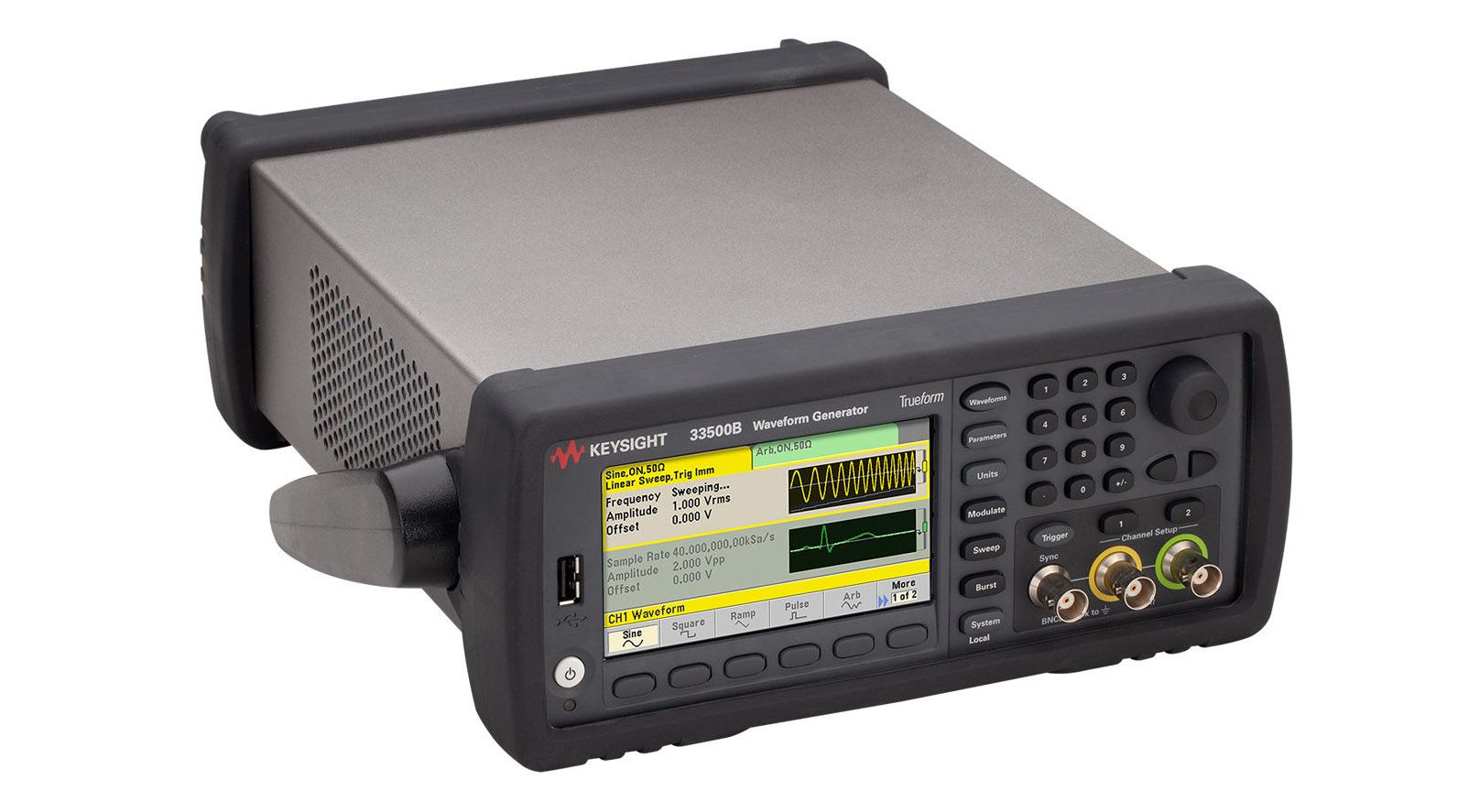 Waveform generator 33511B 20 MHz 1 channel with arbitrary waveform generation capability
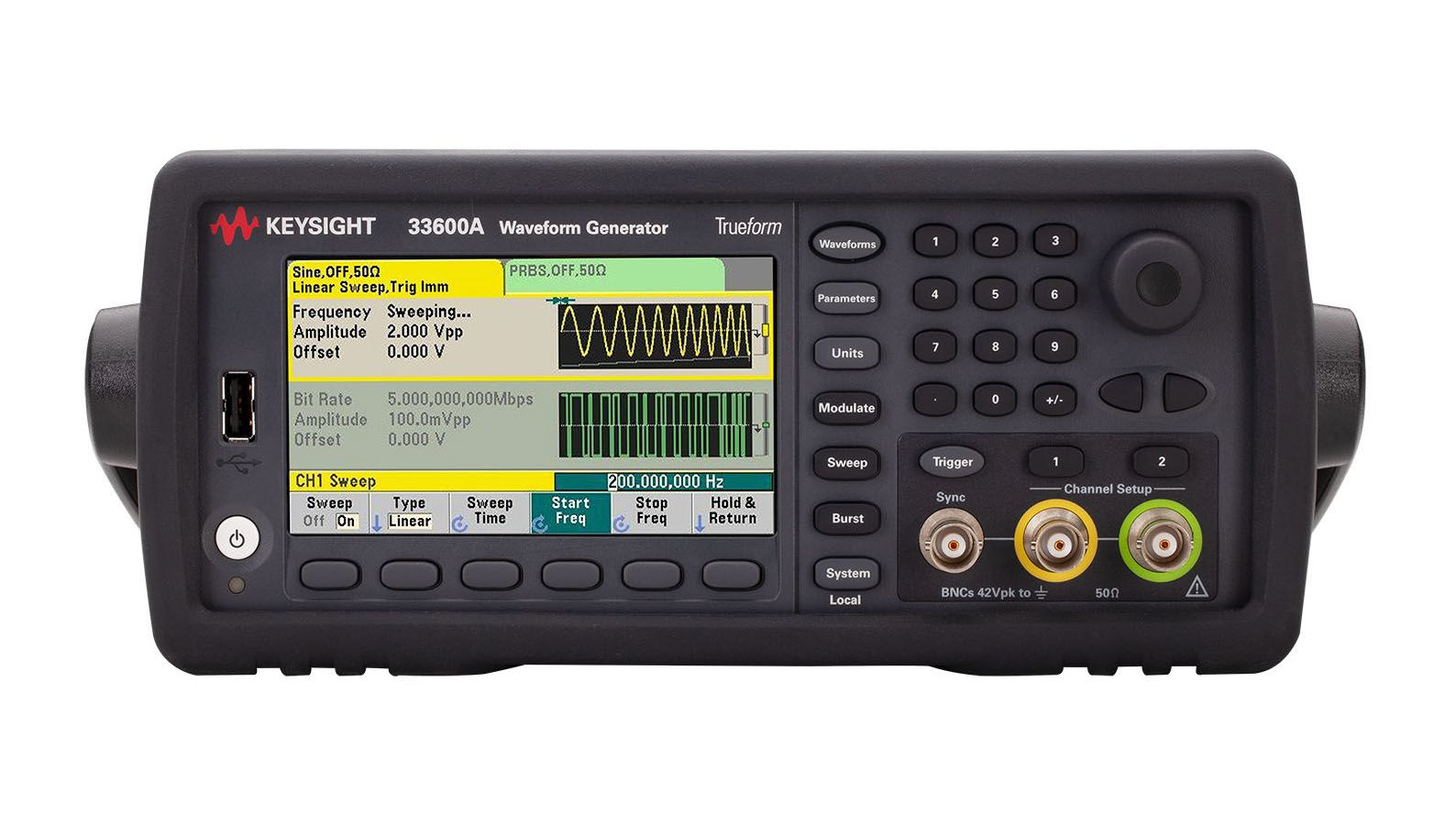 Waveform generator 33612A, 80 MHz, 2-channel

TOP




 中
 EN
 Current location:


